
VALTARIS PROJECT - FZCODUBAI, UNITED ARAB EMIRATESinfo@valtaris-project.com
Research & commentary

Designing a resilient distribution model

Why transport rates alone do not determine the best network.

General guidance — not a client case study
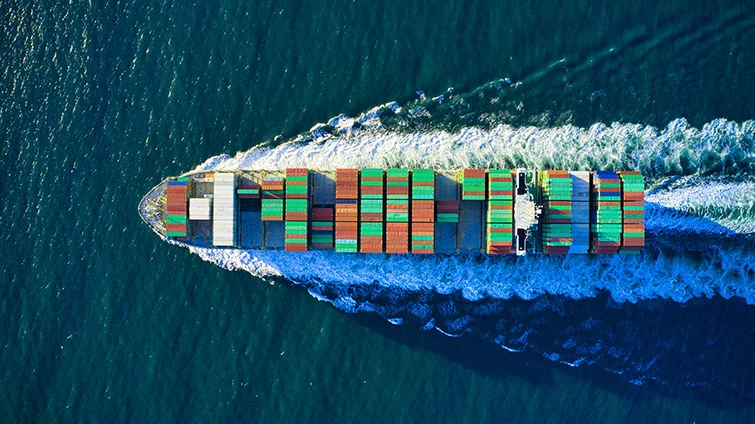
A container ship underway at sea
Illustrative image · Not a Valtaris facility or client site.

The question

A low freight quotation can be offset by stock duplication, longer replenishment cycles or extra handling. Compare the complete flow from supplier to customer.

Points to examine

Group orders by geography, service promise and handling requirements. Estimate fixed and variable costs separately and include inventory carrying costs, peak capacity, returns and disruption scenarios. Verify whether providers can deliver the required service consistently rather than relying only on advertised transit times. Review alternative routes and define a contingency plan.

Look beyond the freight rate

Compare the network on a common unit, such as total annual cost per fulfilled order. Include fixed facility costs, inbound and outbound transport, handling, inventory financing and exceptional costs. Distinguish costs that vary with order volume from costs that remain unchanged. A low outbound rate may not compensate for duplicated stock and additional rent.

Test the pressure points

Run the same model at lower and higher volumes and examine whether service levels are comparable. Consider warehouse capacity, supplier cut-off times and geographic demand patterns. A model should record the source and date of every rate. Use actual quotations and operating history to replace illustrative assumptions before approving the network.